
Writing for Children: Simplicity Is a Superpower
Many writers dream of penning the next great novel, filled with complexity, nuance, and clever metaphors. But writing for children? It’s often dismissed as easy—simple words, short sentences, colorful illustrations. And yet, those who try it quickly learn: simplicity is far from simple.
Children’s books are not watered-down versions of adult literature. They’re stories with a purpose, often written for readers who are encountering language, emotion, and narrative structure for the very first time. That responsibility is no small thing.
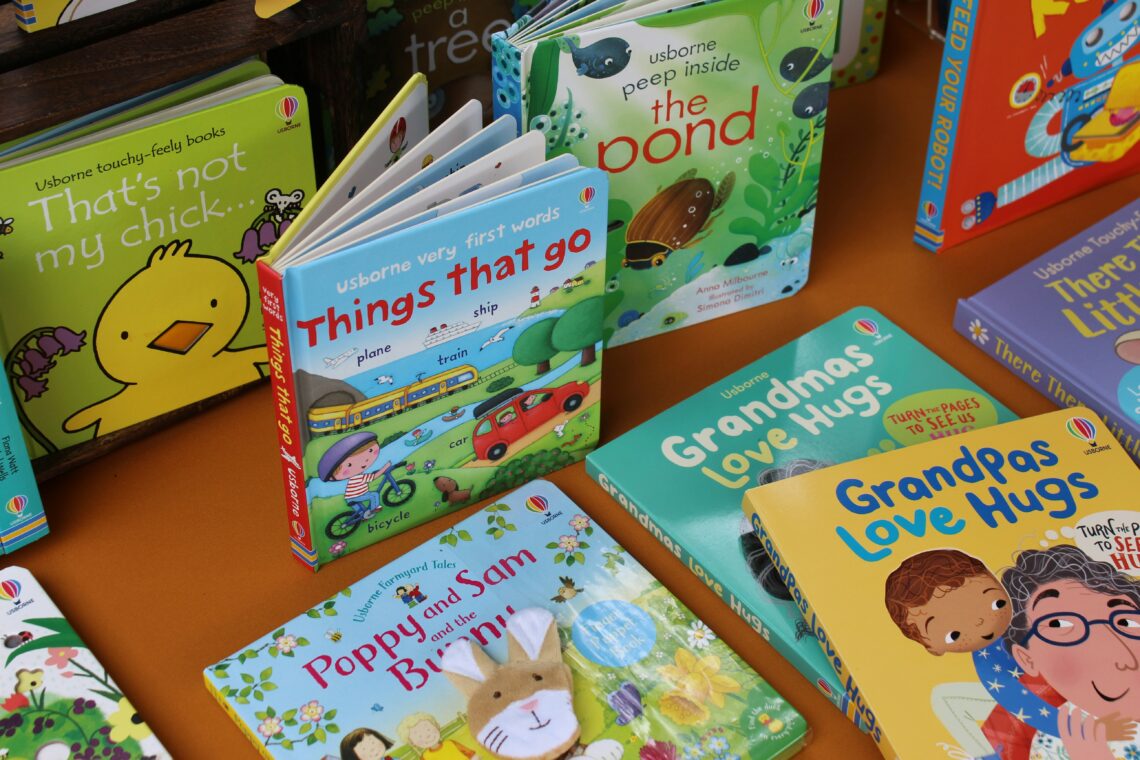
In fact, some of the most beloved and enduring works of literature—The Very Hungry Caterpillar, Where the Wild Things Are, Goodnight Moon—are built on minimalist prose that resonates across generations. These books endure not because they are simple, but because they are precise.
Saying More With Less
Children have short attention spans, limited vocabulary, and big emotions they don’t yet know how to process. So when you write for them, every sentence must carry purpose. There’s no space for fluff. Every word must work hard to deliver meaning, rhythm, and feeling.
Crafting a children’s book forces you to become an editor of your own thoughts. What seems important to you must be re-evaluated through a child’s lens. You must distill your message without diluting its impact. That’s not easy—it’s an advanced form of storytelling.
And what you learn in the process—brevity, clarity, empathy—becomes incredibly useful no matter what kind of writing you pursue. Writers who develop children’s books often return to their essays, fiction, or copywriting with sharper instincts and cleaner prose.
In many ways, writing for children is like writing poetry. You’re trying to say something meaningful with the fewest possible words. It’s an exercise in restraint and control, where each sentence must move the story forward or enrich the tone.
Writers often discover that children’s books sharpen their overall writing instincts. When you must write with economy and purpose, you learn to avoid wandering. You focus on clarity, pacing, and emotional truth—skills that translate across genres.
The Psychology of Wonder
Children are not looking for sophistication—they’re looking for connection. What grips them isn’t a plot twist; it’s a moment of magic, a sense of awe, a character that feels familiar or fantastical. Writing for children means getting back in touch with that part of yourself that once believed in dragons, talking animals, or backyard portals to another world.
This makes the role of a children’s writer uniquely challenging. You have to think like a child—but still write like an adult who understands structure, tone, and audience. You’re translating wonder into words.
And because children are brutally honest readers, if something doesn’t land, they’ll lose interest instantly. You won’t get a polite “maybe later”—you’ll get a closed book and a wandering gaze. That makes children some of the most honest—and hardest—audiences to write for.
Good children’s stories don’t teach lessons overtly—they guide children to experience them. Through metaphor, character growth, or simple cause-and-effect, kids learn kindness, courage, and honesty without feeling lectured.
Even fantastical elements in children’s books serve psychological purposes. A dragon might symbolize fear. A flying cat might embody freedom. These archetypes create emotional landmarks that help children navigate real-world feelings.
What All Writers Can Learn
Even if you never plan to publish a children’s book, experimenting in the genre can radically improve your writing craft. With a strict word limit and a high need for clarity, you’re forced to eliminate fluff and write with intention.
Every element in a children’s book matters: the pacing, the characters, the rhythm, even the white space. You begin to ask essential storytelling questions—What does the character really want? What’s the simplest way to show transformation? What does this story leave behind?
These lessons bleed into other forms of writing. Your blog posts become tighter. Your fiction becomes cleaner. Your communication becomes clearer. It’s like lifting with resistance—when you return to your usual pace, you’re stronger.
Writing in a limited space trains your editing muscles. You’ll begin spotting unnecessary words and repetitive phrasing more easily. This habit makes your broader writing tighter, more engaging, and more respectful of the reader’s time.
You also begin to rethink structure. What is the emotional arc? Does the ending deliver a satisfying payoff? These questions are just as critical in a 32-page children’s book as they are in a 400-page novel.
Final Thought
Writing for children may look like coloring inside the lines, but in truth, it’s one of the most creative, precise, and rewarding forms of storytelling out there. You’re writing for an audience that is still discovering language, emotion, and the rules of the world—and your words will help shape their journey.
To write for children is to be both a guide and a guest in their imagination. It’s a delicate balance of teaching and playing, directing and listening. And once you get it right, there’s nothing more powerful than seeing a child light up because of something you wrote.
So the next time someone says writing for kids must be easy, hand them a blank page and ask them to write a meaningful story using fewer than 500 words. Then watch them realize: simplicity isn’t weakness—it’s a superpower.
Children’s writing may have fewer words, but each word has a heavier load to carry. Every sentence is a building block in the emotional, cognitive, and moral development of the child. That’s why writing with simplicity isn’t just a stylistic choice—it’s an ethical one.
Ultimately, children’s stories remind us what matters most: clarity, connection, and curiosity. And those three things can elevate any kind of writing, at any level, for any audience.
You May Also Be Interested In These Reads
 |  | 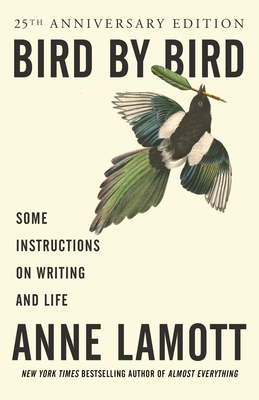 | 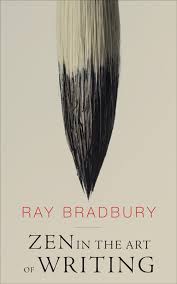 |
You can find more recommended reading on our Library page.
Disclosure: Each book recommendation contains affiliate links, but these are all books I highly recommend. I won’t include anything that I haven’t verified and personally found valuable.
Guest Blogger Bio
Erik Melkonyan is a creative writer and digital storytelling enthusiast focused on children’s literature.
Interested in writing a GUEST POST? Learn more about submitting to us: https://bewrit.com/write-for-us/.