

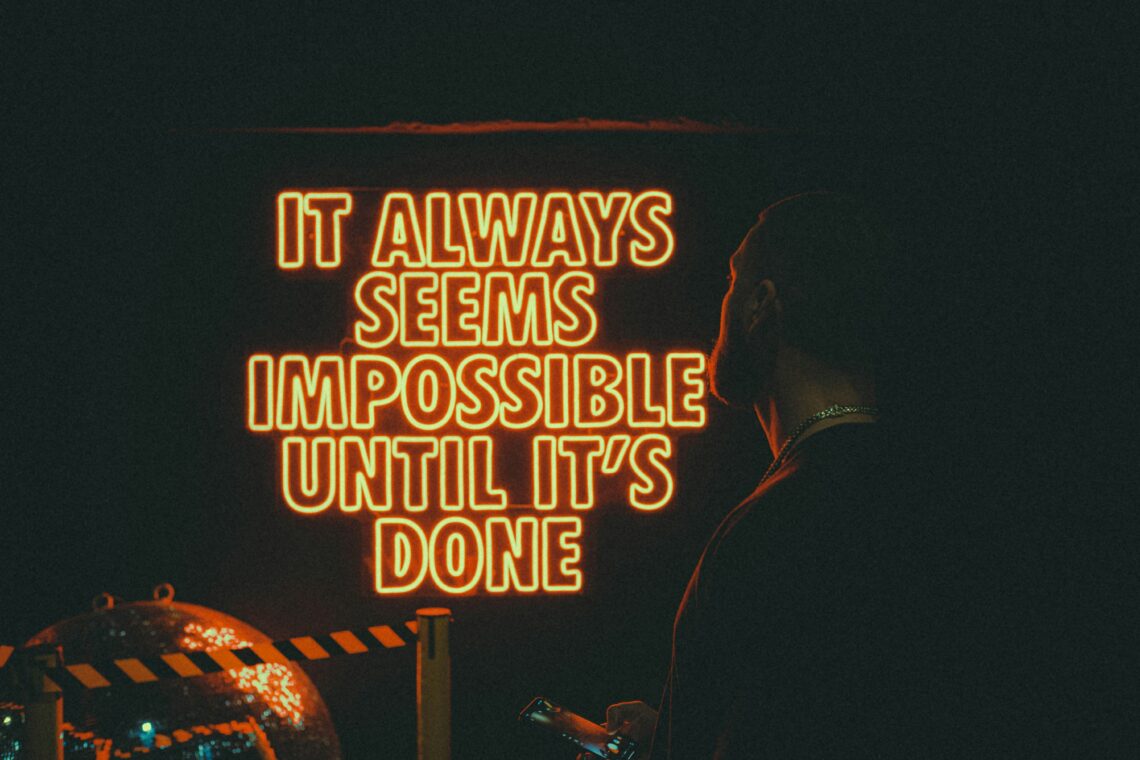
Lost Motivation Halfway Through Your Draft? Here are 7 Ways to Get It Back
You were excited when you started. The idea was fresh. The characters were talking in your head. You could see the opening clearly, and writing those first few thousand words felt almost effortless. Then somewhere around the middle, everything changed.
Maybe you’ve written 20,000 words and suddenly don’t know what happens next. Maybe you know exactly what happens but can’t convince yourself to write the scene. Or perhaps every time you open your manuscript, you notice another sentence that needs fixing instead of moving the story forward.
Losing motivation halfway through a draft is frustrating, but it doesn’t necessarily mean the project is broken. Sometimes the problem is the story. Sometimes it’s your writing process. And sometimes, you’re simply tired.
The important thing is figuring out which kind of slump you’re dealing with before trying to fix it.
Here are seven ways to get your motivation back and finish your manuscript.
1. Diagnose the Slump Before You Fix It
Before forcing yourself to write another word, ask: What exactly is making me want to stop?
There are three common possibilities:
- It’s a story problem. You don’t know what happens next, a character’s motivation doesn’t make sense, or the plot has painted itself into a corner. In that case, writing more words may not solve the problem. You may need to step back and rethink the story.
If your motivation disappeared because the plot stopped working, check out 5 Ways to Fix Your Plot for ideas on getting your story moving again.
- It’s a process problem. Perhaps your current writing process has become exhausting. You’re trying to draft, edit, research, fact-check, and perfect every paragraph at the same time.
- It’s a life problem. Sometimes your manuscript isn’t the real issue. You’re simply depleted from school, work, family responsibilities, or everything else competing for your attention. If you’re experiencing genuine word fatigue, it may help to recognize that before treating it as a discipline problem.
Different problems need different solutions. You can’t solve exhaustion by demanding more productivity from yourself.
2. Skip to the Scene You’re Dying to Write
A draft doesn’t have to be written from beginning to end. Give yourself permission to jump ahead.
Maybe you already know exactly what the confrontation looks like. Maybe there’s a conversation between two characters that you’ve been waiting to write. Or perhaps the ending is much clearer to you than the middle.
If you’re stuck on chapter twelve but you’ve been thinking about a scene from chapter twenty for weeks, write chapter twenty.
Write that part.
You can leave yourself a note such as:
[Bridge needed here: explain how the character gets from the previous scene to this one.]
Then keep going.
The goal of a first draft isn’t to produce a perfectly connected manuscript in one pass. It’s to discover the material. You can build the bridges later.
Sometimes writing the scene you’re excited about is enough to remind you why you wanted to write the book in the first place.
3. Give Yourself Permission to Write a Bad Draft
Perfectionism often disguises itself as a lack of motivation.
You sit down intending to write, but instead you stare at one paragraph for twenty minutes because you know it isn’t quite right. Eventually, writing feels exhausting, and you conclude that you’ve lost your motivation.
You may not have lost it. You may simply be trying to edit before you’ve finished creating.
Separate the writing brain from the editing brain.
During drafting, allow yourself to write an awkward sentence. Use a placeholder. Leave a note that says “[better description needed]” or “[research this later].” Write the version that gets the scene onto the page.
For example, instead of spending half an hour searching for the perfect description of a character’s apartment, write:
[Describe the apartment—small, cluttered, but clearly loved.]
Then move on.
A bad sentence can be fixed. A blank page can’t.
First drafts exist to be revised, not published. When you’re stuck halfway through a manuscript, allowing yourself to write poorly can be the permission you need to keep the project alive.
4. Re-Read Your Best Pages, Not Your Worst
When motivation disappears, writers often do the opposite of what would help. They open the manuscript and immediately search for everything that’s wrong. Don’t do that.
Instead, find three passages that you’re genuinely proud of.
They don’t have to be perfect. They might be a chapter that finally captured the character’s voice, a paragraph that made you laugh, or a scene that turned out exactly as you imagined.
Read those pages as if someone else wrote them.
What works? What do you like about the voice? Which character feels alive? Which image or line still gives you a reaction?
You’re not trying to convince yourself that the manuscript is flawless. You’re looking for evidence that the project already contains something worth finishing.
A half-finished manuscript can make you feel as though you’ve accomplished nothing. Your strongest pages prove otherwise.
5. Get One Reader Waiting on You
Your own word count can be easy to ignore. Someone else waiting for the next chapter is different.
Find one supportive person—a critique partner, beta reader, writing friend, or trusted family member—and give them a realistic commitment.
It could be:
“I’ll send you the next chapter by the first Friday of next month.”
The important part is choosing someone who encourages you rather than someone who makes the process more stressful.
You don’t need to announce your deadline publicly or create a complicated accountability system. One person who knows you’re working toward something can be enough.
You can also make the arrangement reciprocal. Maybe they are working on their own manuscript, so you exchange chapters every two weeks.
The point isn’t pressure for its own sake. It’s creating a small sense of responsibility outside your own head.
6. Redefine the Finish Line in Smaller Units
“Finish my book” is an enormous goal. When you’re already struggling, thinking about the entire remaining manuscript can make the project feel impossible. Shrink the finish line.
Instead of:
Finish the book.
Try:
Finish this act.
Or:
Finish the next five scenes.
Or even:
Get this character through the next turning point.
The project hasn’t become smaller. You’ve simply given your brain a finish line it can actually see.
This is especially useful in the middle of a long manuscript because the middle often feels endless. You can’t always see the final chapter from where you’re standing.
You don’t need to. You only need to know what you’re finishing next.
7. Shelve It on Purpose, With a Return Date
Sometimes the best way to regain motivation is to stop pretending you have to work on the manuscript every day. There’s a difference between abandoning a project and deliberately putting it aside.
If you’ve reached the point where every writing session feels miserable, give yourself permission to take a real break. But make the break intentional.
Before stepping away, write a short note explaining:
• Where you stopped
• What happens next
• What questions still need answering
• Any ideas you don’t want to forget
• The first scene you plan to tackle when you return
Then choose a return date.
It could be two weeks from now or a month from now. The exact period matters less than knowing when you’re coming back.
Work on something smaller in the meantime. Write a short story, brainstorm another idea, read, or simply give your creative brain some space.
The key is that the manuscript isn’t disappearing into a drawer forever. You’re putting it on the shelf temporarily, with a plan to return.
What to Do When You Actually Finish
Eventually, you will reach the end. And finishing the first draft doesn’t mean the work is over. It means you’ve reached the next stage.
Give yourself some distance before immediately rewriting. When you’re ready, do a full manuscript read-through and look at the book as a reader rather than only as its author.
You can also compare your manuscript against a structured read-through process that checks for issues such as consistency, pacing, unearned reveals, and unsupported claims.
Then decide what kind of editing you need. Some writers can handle substantial self-editing. Others benefit from a professional editor who can spot problems they’re too close to notice.
And when your manuscript is finally polished and ready to become a physical book, professional Book Printing UAE services can help turn the finished project into printed copies for yourself, your readers, or a small print run.
Final Thoughts
Losing motivation halfway through a manuscript doesn’t automatically mean you should quit. First, figure out what kind of slump you’re experiencing.
Is the story stuck?
Is your process exhausting you?
Or are you simply running low on energy?
Once you know the problem, choose the fix that matches it. Skip ahead to an exciting scene. Write an intentionally bad version. Re-read the pages you love. Find one reader waiting for the next chapter. Break the manuscript into smaller finish lines. Or, if necessary, deliberately put the project aside and set a date to return.
You don’t have to feel motivated every time you write. Sometimes you just need to find your way back into the story.
A Final Word From Brit: If you’re looking for a writing coach to help you stay motivated, I’m here. Explore my writing coach services to learn more about how I help make your story shine.
You May Also Be Interested In These Reads
 |  |  |  |
You can find more recommended reading on our Library page.
Disclosure: Each book recommendation contains affiliate links, but these are all books I highly recommend. I won’t include anything that I haven’t verified and personally found valuable.
Guest Blogger Bio
Abdul Haseeb is a freelance writer and editor specializing in productivity, creative writing, and author resources. He writes practical content to help writers build sustainable habits, overcome creative roadblocks, and finish the projects they start. Visit bookprintinguae.ae to learn more about how he helps authors.
Interested in writing a GUEST POST? Learn more about submitting to us: https://bewrit.com/write-for-us/.