


6 Tips for Starting a Turn-based Story with Strangers
Writing with friends is one kind of courage. Writing with strangers is another. You don’t share a workshop history, a private joke about pacing, or an unspoken sense of who owns the next paragraph. What you do share is a blank page and a willingness to go first.
Building a tool for writing with people you’ve just met has meant watching many stranger co-writes take shape. The ones that work have almost nothing to do with talent. They have a small starting ritual that made the first turn feel safe.
(Disclosure: I built Scripto Rerum, a web-only tool for turn-based collaborative storytelling. This piece is about the practice. You can use the same habits in a shared doc, a chat thread, or any table that lets people take turns.)
1. Choose the Room Before You Choose the Plot
Strangers freeze less when the container is clear. Before anyone invents a character, name three things out loud:
• How long this first story is. One scene. One short chapter. A complete micro-story under 1,500 words. Big novels with new people usually die of politeness.
• How turns work. Clock (twenty minutes), word budget (300-500 words), or “until the next decision point.” Pick one.
• How to leave kindly. Anyone can bow out after a turn with no explanation. Say that early so exit isn’t a social crisis.
If the room can’t agree on those three, it isn’t ready for a premise. Fix the table first.
2. Use a Low-Stakes Icebreaker, Not a World Bible
Asking strangers for a full lore dump is how you get silence. Give them a tiny handle instead:
• Each person drops one sensory detail from a shared setting (a smell, a sound, an object on a table).
• Or each offers one character want in a single sentence, no backstory.
• Or everyone writes a first line, then the group picks one by light vote or rotation.
The goal is heat without homework. You’re proving the table can move, not auditioning novels.
3. Make the First Turn Stupidly Small
The first stranger turn should be easy to finish. One paragraph. One dialogue exchange. One beat that answers a tiny question (“Does she open the letter?”).
Big first turns invite perfectionism and comparison. Small first turns create a finished thing on the page, which is the real icebreaker. Momentum returns faster than trust does.
If someone stalls, shrink again: “Add one concrete action and stop.” Permission to be incomplete is a gift strangers rarely give themselves.
4. Protect Voice With One Rule Strangers Can Remember
With people you know, you can negotiate style for an hour. With strangers, you need one sentence everyone can repeat.
On your turn, you advance. Partners may ask one question or make one wish. They don’t rewrite your lines into their house style. This helps protect each writer’s voice.
That single fence stops the most common stranger failure mode: three polite rewrites that sand the prose flat before the scene has a pulse.
Save deeper workshopping for a named polish round after a complete pass. Mixing “compose” and “committee edit” in the same breath is where new tables go quiet.
5. Hand Off Like a Host, Not Like a Boss
When your turn ends, leave the next writer a warm chair:
• One scene question still open
• One do-not (no new POV this round; don’t kill the mentor yet)
• The last sentence as the baton
You’re not scripting their imagination. You’re reducing the fear of breaking something invisible. Strangers can’t read your mind; they can read a handoff note.
6. Credit and Goodbye Before Pride Shows Up
Decide names and ending rights while everyone is still friendly:
• Equal co-authors, or “story by X with turns by Y and Z”
• Who drafts the outro
• What “done” means for this tiny project (complete draft, private share, post somewhere)
Stranger groups often fail at the last mile because nobody named the ending ceremony. An outro round is sacred: stop opening subplots, land the promise you already made, thank people for the pages that exist.
If chemistry isn’t there after two turns, end kindly. A clean stop beats a resentful half-story. Thank them for showing up. That graciousness is what makes the next stranger table possible.
Here’s a small first session you can run tonight:
1. Agree on length, turn shape, and exit rules (five minutes).
2. Icebreaker: one sensory detail or one first line each (ten minutes).
3. Pick a seed by vote or rotation.
4. Two or three tiny turns with the one-question/one-wish fence.
5. Outro or pause with credit already written down.
You don’t need a novel. You need proof that strangers can make a page together without sanding each other away. Keep the first project small enough to finish. Finish is the craft lesson blank-page fear never teaches.
You May Also Be Interested In These Reads
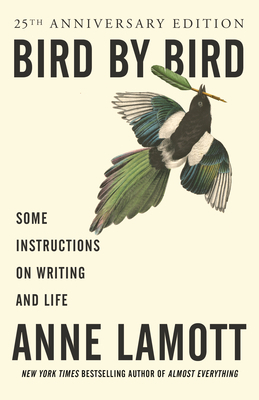 | 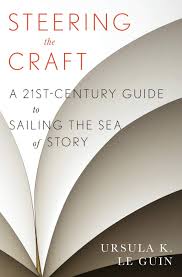 |  |  |
You can find more recommended reading on our Library page.
Disclosure: Each book recommendation contains affiliate links, but these are all books I highly recommend. I won’t include anything that I haven’t verified and personally found valuable.
Guest Blogger Bio
David Pelicano is a New York–based builder and storyteller who has been stress-testing turn-based, many-handed fiction with people who just met. He built Scripto Rerum, a web tool for collaborative storytelling, and writes about the craft habits that help a shared draft actually move. Contact him at contact@scriptorerum.com.
Interested in writing a GUEST POST? Learn more about submitting to us: https://bewrit.com/write-for-us/.