

How to Co-Author Fiction Without Toning Down Everyone’s Voice
Most writers who try to share a story with friends mean well. Someone opens a shared doc. Someone else drops in a brilliant paragraph. A third person “tightens” a line that wasn’t broken. By week two, the draft has three competing tones, no clear owner, and a comment thread longer than the scene. The story stalls—not because the people at the table lack talent, but because too many hands without a craft frame become committee-writing.
I’ve watched this happen in workshops, friend groups, and co-author experiments that started with real heat. The fix isn’t “collaborate less.” It’s to treat co-writing like a practice with beats: agreements before prose, turns instead of endless revision, light structure so nobody freezes, and a credit-and-outro plan so the story actually ends.
(Disclosure: I built Scripto Rerum—web and iOS—where people create stories together in turn-based rounds. This essay is about the practice itself. You can use the same habits in a doc, a Discord channel, or any shared notebook. Optional AI assist exists on the platform if you want, but you needn’t use it. The core is human writers taking turns.)
1. Why “Many Hands” Create Stalls
Three frictions show up almost every time:
- Voice. Fiction lives in rhythm and diction. When three writers revise the same paragraph in the same hour, the prose averages toward safe. Specificity dies first.
- Ownership. If everyone can touch everything, nobody owns the next move. Ownership anxiety looks like politeness—“I’ll wait for you”—and then silence.
- Pace. Endless availability is a trap. Without a clock or a turn order, the draft becomes a place where people could write, not a place where writing happens.
Committee writing tries to address these with more comments. Turn-based co-writing solves them with clearer rights and a cadence.
2. Intro Agreements That Protect Voice Before Anyone Writes
Do this before chapter one: Keep it short—ten minutes of talk, one shared note.
Agree on:
- Whose turn owns the prose. On a turn, that writer may advance the scene. Partners may leave questions or wish-list notes, not rewrite the line into their house style.
- What’s shared world vs. personal voice. Shared world includes facts that are already on the page (names, locations, what happened). Personal voice is how a character sounds, what they notice, the metaphors that feel like them.
- Genre and heat level. One sentence. “Quiet literary mystery, no gore” beats a vague “whatever feels right.”
- How conflict gets resolved. Majority vote on plot forks. Either designate one steward for continuity or allow the current turn-holder to decide, then move on. Ambiguity here becomes late-night arguments later.
These agreements aren’t bureaucracy. They’re the difference between a table and a traffic jam.
3. Timed Rounds vs. Endless Revision Loops
A turn without a boundary invites perfectionism. Timed rounds—twenty minutes, an hour, a weekend window—create a finishing instinct.
Practical pattern many pairs use:
- Intro round: Each person offers a short opening beat or premise fragment. Light vote or rotation picks which intro seeds the story.
- Story rounds: One writer at a time advances a fixed chunk (a scene, 300-500 words, or “until the next decision point”).
- Response notes: Partners answer with one concrete ask (“Can we learn what she wants by the end of this scene?”) instead of a full rewrite.
- The next turn: Starts from what exists, not from a rebuilt draft.
The point of the clock isn’t speed for its own sake. It’s to keep the story moving forward. Revision still happens, preferably after a complete pass or in a dedicated polish round with clear permission to touch style.
If your group loves workshopping every sentence mid-draft, name that as a separate mode. Mixing “compose” and “committee edit” in the same breath is where voice goes to die.
4. Light Structure So Partners Don’t Freeze
Blank shared pages freeze people as hard as blank solo pages. Give the next writer a handle instead of a novel outline.
Here’s a useful light structure (choose two):
- A scene question the turn must answer (“Will she open the letter?”).
- A cast list with one desire each.
- A “do not” list (no new POVs this chapter, no killing the mentor yet).
- A handoff line where the last sentence of the previous turn becomes a baton to hand to the next author.
Structure here is hospitality. You’re leaving the chair warm for the next writer, not scripting their imagination.
When someone freezes anyway, shrink the turn. Shoot for one paragraph, one dialogue exchange, one sensory detail that moves time. Momentum returns faster than confidence does.
5. Credit and Outro So the Story Actually Ends
Collaborative drafts often fail at the last mile. People keep “improving” because nobody named the ending ceremony.
Decide early:
- How the story ends. One writer drafts the outro. Others may suggest beats but not veto by silence.
- How names appear. Include equal co-authors or “story by X, with turns by Y and Z” with a rotating byline. Write it down before pride gets involved.
- Define what “done” means. First complete draft? Ready for private friends? Ready to submit? Different finish lines need different rounds.
An outro round is sacred. Stop opening new subplots. Land the emotional promise you already made. Credit is craft, not paperwork—readers feel when ownership is clear.
6. When the Practice Fails (and What to Change)
Turn-based co-writing isn’t magic. It fails in predictable ways:
- One voice dominates. Rotate who opens chapters. Or assign POVs so dominance has a channel instead of leaking into every line.
- Turns slip. Shorten windows. Smaller groups. Pair accountability (“we both write Sundays”).
- Notes become rewrites. Reinstate the agreement: questions and wishes only during compose rounds.
- Chemistry isn’t there. End kindly. A clean stop beats a resentful half-novel. Thank people for the pages you did make.
If the story feels flat, you probably edited too early. If it feels directionless, you probably under-agreed the intro. Adjust the practice. Don’t blame the desire to write with others.
Give Co-Authoring a Try with a Small Initial Project
Writers don’t only need solitude. Many of us need a table — partners who show up on a turn, protect each other’s voice, and help a fiction land. Turn-based rounds won’t replace your solo novels. They can, however, teach pace, generosity, and the rare pleasure of watching a story become more than any one of you would have risked alone.
Try it with two trusted writers, one short story, and a single shared note with agreements. Keep the first project small enough to finish. The finish is the craft lesson committee-writing never teaches.
A final word from Brit: If you’re interested in co-authoring a story or novel, join our Facebook Community! We offer online writing groups, critique groups, and more.
You May Also Be Interested In These Reads
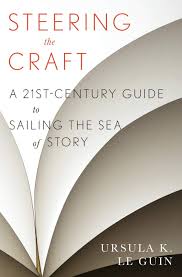 | 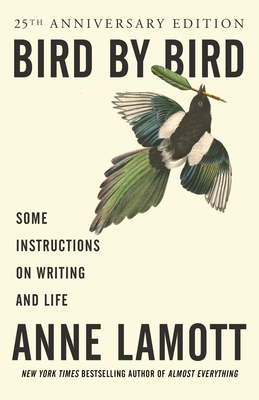 |  | 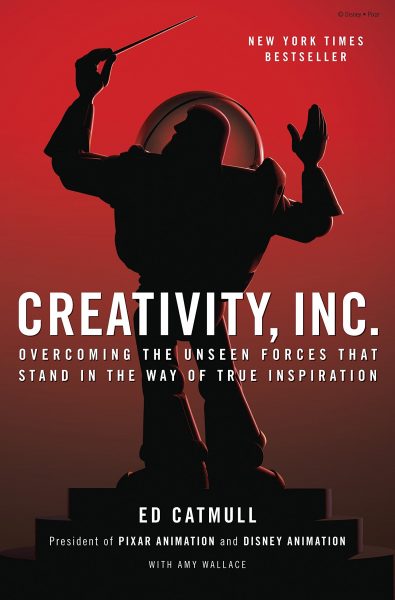 |
You can find more recommended reading on our Library page.
Disclosure: Each book recommendation contains affiliate links, but these are all books I highly recommend. I won’t include anything that I haven’t verified and personally found valuable.
Guest Blogger Bio
David builds Scripto Rerum, a web and iOS home where writers create stories together in turn-based rounds. He writes about collaborative fiction craft for people who want partners at the table, not a blank page. You can get in touch with him at contact@scriptorerum.com.
Interested in writing a GUEST POST? Learn more about submitting to us: https://bewrit.com/write-for-us/.