Self-Publishing vs. Traditional Publishing: Which Option is Right for Your Story?
You’ve typed “The End.” Maybe it took six months, maybe six years. Now comes a question that stops many writers cold: how do I get this book into the world? For most authors, the choice comes down to two paths: self-publishing vs. traditional publishing.
Both options can lead to a book on readers’ shelves (or e-readers), and both can lead to frustration if you pick the one that doesn’t fit your goals. There’s no universally “better” option. There’s only the option that’s better for your story, your timeline, and your temperament.
Let’s break down how each path works so you can choose with confidence.
How Does Traditional Publishing Work?
In traditional publishing, a publishing house acquires the rights to your book and handles production, distribution, and (to varying degrees) marketing. In exchange, you typically receive an advance against royalties and a percentage of sales.
For most authors, the process looks something like this:
- Finish and polish your manuscript. For fiction, that usually means a complete book. For non-fiction, a strong proposal and sample chapters often suffice.
- Write a query letter and find a literary agent. Most major publishers only accept submissions through agents.
- Go on submission. Your agent pitches the book to editors at publishing houses.
- Sign a deal, then wait. From contract to bookstore, the process commonly takes a year or two.
That first hurdle, the query letter, is a skill in itself. If you’re heading down this road, learning how to write a query letter that literary agents can’t ignore is a great place to start.
The Perks of Going Traditional
- Financial risk is low. A traditional publisher pays you, not the other way around. You don’t front the costs of editing, cover design, or printing.
- Professional support. You get an editorial team, designers, and a sales force that can get books into brick-and-mortar stores.
- Credibility. Whether it’s fair or not, a traditional deal still carries prestige with reviewers, libraries, and award committees.
- Distribution muscle. If your dream is to see your book on a bookstore shelf, traditional publishing has a real advantage.
The Drawbacks
- It’s slow. Querying can take months or years, and there’s no guarantee of a deal at the end.
- You give up control. Titles, covers, release dates, and sometimes content are decided collaboratively (which sometimes means you don’t get the final say).
- Royalties are smaller per copy. You’re sharing revenue with the agent and publisher.
- Marketing is often on you. Unless you’re a debut with a big push, expect to do a lot of your own promotion.
How Does Self-Publishing Work?
Self-publishing flips the equation. You retain your rights, make the decisions, and take on the costs and responsibilities that a publisher would otherwise handle. You upload your book to platforms like Amazon KDP or print-on-demand services, and readers can buy it within days or weeks.
You become, in effect, the publisher. That means hiring (or doing) the editing, cover design, formatting, and marketing yourself.
The Perks of Self-Publishing
- Speed. When your book is ready, you can publish it. No waiting on agents or acquisition meetings.
- Creative control. You choose the cover, the title, the price, and the release date.
- Higher royalty rates. Retail platforms typically pass on a much larger share of each sale to the author than traditional contracts do.
- You keep your rights. That means flexibility with audiobooks, translations, and future projects.
- Niche-friendly. Stories with a specific audience, like genre fiction, memoirs, workbooks, or picture books, can thrive without mainstream gatekeepers.
The Drawbacks
- Upfront costs. Quality editing, cover design, and formatting are investments that add up.
- You do the heavy lifting. Every task, from ISBNs to ad campaigns, falls to you or someone you hire.
- Bookstore access is harder. Getting into physical stores is possible but tougher without a traditional distribution network.
- Quality control is on you. Readers can quickly spot an unedited book, and that can hurt your reputation.
What About a Hybrid Approach?
You don’t have to choose once and forever. Many successful authors are “hybrids”: they publish some books traditionally and others independently. You might self-publish a genre series while pursuing a traditional deal for a standalone novel, or vice versa.
One caution: be wary of “vanity presses” and pay-to-play companies that call themselves publishers but charge authors heavy fees. A legitimate traditional publisher pays you, and a legitimate self-publishing path keeps you in control of your rights and your money.
Key Questions to Ask Yourself
Still on the fence? Work through these questions honestly.
1. What does success look like to you?
If it’s a bookstore display and a big-publisher stamp of approval, traditional publishing is the more direct route. If it’s reaching readers, earning steady income, or holding a finished book in your hands sooner, self-publishing may be the better fit.
2. How much control do you want?
Some writers love collaborating with an editorial team. Others bristle at the idea of anyone else deciding what their cover looks like. Know which one you are.
3. What’s your timeline?
If you’re patient and willing to query, traditional publishing can work. If you have a time-sensitive project, or you simply don’t want to wait, self-publishing gets you there faster.
4. What’s your budget, and how entrepreneurial are you?
Self-publishing rewards writers who treat it like a small business. If you enjoy marketing, building an audience, and managing projects, you’ll likely enjoy it. If the thought exhausts you, that’s important information.
5. What kind of book is it?
Highly commercial concepts, literary fiction, and books aimed at general bookstores often lean traditional. Niche non-fiction, series-driven genre fiction, and books with a built-in audience often lean self-published.
Whichever Path You Choose, Polish Your Manuscript First
Here’s something that holds true either way: your manuscript has to be as strong as you can make it. Agents pass on unpolished drafts, and readers leave one-star reviews for books riddled with errors.
Before you query or upload, consider building a revision process:
- Start with a clean, methodical read-through. Check out our guide to the manuscript read-through to run before publishing any book, fiction or non-fiction alike.
- Decide how much editing to do yourself and when to bring in help. Self-editing your novel vs. hiring a professional editor lays out the pros and cons.
- If you want professional eyes on your pages, professional editing services include proofreading, copyediting, line editing, developmental editing, fact-checking, formatting, and beta-reading, which covers everything from big-picture story structure to the final polish. That’s especially helpful for self-publishers, who don’t have an in-house editorial team to lean on.
Need Help Deciding? Talk Through the Pros and Cons of Self-Publishing vs. Traditional Publishing With a Pro
Sometimes the best way to pick a path is to talk with someone who’s walked it. My book coaching services offer one-on-one guidance for authors at every stage, and figuring out whether self-publishing or traditional publishing is best for your book is exactly the kind of question a coaching call can tackle.
You can also get help with story development, book proposals, building an author platform, and planning your promotion. A free 15-minute consultation is a low-pressure way to see if it’s the right fit for you.
Ways to Keep Learning (Without Spending a Dime)
You don’t have to figure this out alone or all at once. We offer plenty of ways to keep growing as a writer:
- The BeWrit blog is packed with articles on story craft, publishing, and the writing life.
- Our online writing courses help you build skills at your own pace.
- The free resource library offers free tools and printables for subscribers to our newsletter.
- Our book library features recommended reads, including guides on self-publishing and the business side of writing.
- The writing community connects you with other writers who understand what you’re going through.
The Bottom Line
Traditional publishing offers support, prestige, and distribution, at the cost of time and control. Self-publishing offers speed, freedom, and higher royalties, at the cost of upfront investment and a lot of hands-on work. Neither is the “real” way to be an author.
The right choice is the one that matches your goals, your temperament, and your story. Get clear on what you want, give your manuscript the polish it deserves, and choose the path that lets your book find its readers.
Ready to take the next step? Explore BeWrit for the tools, guidance, and community to help you write better and publish smarter.
You May Also Be Interested In These Reads
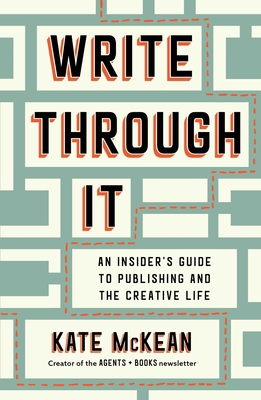 | 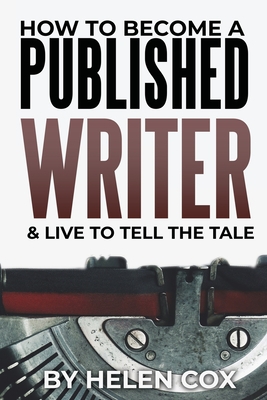 |  |  |
You can find more recommended reading on our Library page.
Disclosure: Each book recommendation contains affiliate links, but these are all books I highly recommend. I won’t include anything that I haven’t verified and personally found valuable.