


How to Write a Query Letter That Literary Agents Can’t Ignore: Your Key to Unlocking the Publishing World
Imagine this: after months—maybe years—of pouring your heart into a manuscript, you’re finally ready to send it out into the world. Your story is polished, your characters breathe life into the pages, and you can practically hear readers flipping through your book in a cozy bookstore.
But there’s one hurdle standing between you and that dream: the query letter. It’s your golden ticket, your first impression, and often your only shot at catching a literary agent’s eye. So how do you craft a query letter that agents can’t ignore?
For aspiring authors, the query letter is more than just a formality. It’s a deeply personal pitch that carries the weight of your creative journey.
This guide will walk you through the art of writing a query letter that stands out, weaving in practical tips, a winning structure, and a human interest angle that speaks to the dreamer in every writer. Whether you’re a first-timer or a seasoned scribe tired of rejection slips, here’s how to make your query letter irresistible.
Why Query Letters Matter: A Human Connection In a Competitive World
Before diving into the “how,” let’s talk about the “why.”
Literary agents receive hundreds, sometimes thousands, of query letters each year. Picture an agent like Sarah, a real-life gatekeeper to the publishing world, sifting through her inbox after a long day. She’s tired, maybe a little jaded, but secretly hoping to discover the next big thing. Your query letter is your chance to spark that hope—to make her sit up and say, “This is it.”
The human interest angle here is universal: every writer has a story behind their story.
Maybe you wrote your novel during late nights after your kids went to bed, or perhaps it’s a tale inspired by a grandparent’s faded letters. Agents aren’t just looking for a good book. They’re looking for a good story about you. A well-crafted query letter doesn’t just sell your manuscript; it sells your passion, your grit, and your unique voice.
The Anatomy of An Irresistible Query Letter
A query letter typically follows a three-part structure: the hook, the pitch, and the bio. Keep it concise. Aim for 250-350 words, and be professional, but don’t be afraid to let your personality shine. Here’s how to nail each section.
1. The Hook: Grab Them in the First Line
Your opening sentence is your handshake, your elevator pitch, your “you had me at hello.” Literary agents skim, so make it unforgettable.
Instead of starting with a generic “I’m seeking representation for my 80,000-word novel,” lead with something specific and gripping.
Example: “When 12-year-old Mia discovers her grandmother’s attic hides a portal to 1920s Paris, she doesn’t expect to unravel a family secret that could rewrite history.”
Why it works: It’s vivid, intriguing, and hints at stakes without giving too much away.
Pro Tip: Personalize it. If the agent loves historical fiction (check their website or X posts!), mention that connection briefly: “Given your passion for time-slip narratives, I think Mia’s Attic might resonate.” This shows you’ve done your homework—agents notice.
2. The Pitch: Sell the Story, Not the Synopsis
The next paragraph (about 100-150 words) is your mini-synopsis. Focus on the protagonist, the central conflict, and the stakes. Avoid overloading with subplots or character lists—think movie trailers rather than Wikipedia entries.
Example: “Mia, a shy dreamer with a knack for puzzles, stumbles into a world of jazz and secrets.
She’s chased by a shadowy figure who’ll stop at nothing to keep the past buried. As Mia races to uncover the truth, she must decide: return to her quiet life or risk everything to save a legacy she never knew was hers.”
Why it works: It introduces Mia’s personality, sets up the stakes, and leaves the agent wanting more.
Common Mistake: Don’t say, “This is a story about love and loss.” Be specific. Vague themes bore busy agents. Instead, show what’s unique: “A girl torn between two timelines” beats “a coming-of-age tale.”
3. The Bio: Who Are You, and Why Should They Care?
The final paragraph is about you, but keep it relevant. If you’ve got publishing credits (short stories, articles), mention them. No credits? That’s okay. Highlight what makes you the right person to tell this story.
Example: “I’m a former history teacher who spent a decade researching the Roaring Twenties, inspired by my great-aunt’s tales of flapper days. This is my debut novel.”
Why it works: It ties your background to the book and shows authenticity.
Don’t overshare (“I have three cats and love coffee!”) unless it’s quirky and relevant. And always thank the agent: “Thank you for your time and consideration.”
4. Tone: Striking the Balance Between Professional and Personal
Agents want confidence, not arrogance. Enthusiasm, not desperation. Think of your tone as a friendly coffee chat with a colleague instead of a pleading voicemail. Avoid clichés like “This is the next Harry Potter!” Let your story’s merit speak for itself.
Here’s where the human interest angle shines: subtly weave in your “why.” Maybe you wrote this book to process a loss or to give your kids a hero like you never had. A line like “I wrote Mia’s Attic to honor the untold stories of women in my family” adds depth without overselling.
Common Mistakes to Avoid: Don’t Sabotage Your Shot
Even a great story can flop with a sloppy query. Here are pitfalls to dodge:
- Typos and Grammar Slips: Proofread obsessively. A misspelled agent’s name or a run-on sentence screams carelessness.
- Mass Emails: “Dear Agent” or a cc’d list of 20 names? Instant rejection. Personalize every letter.
- Overlong Letters: If it’s over 400 words, trim it. Agents value brevity.
- Ignoring Guidelines: Check the agent’s submission rules (on their website or X profile). Some want sample pages. Others don’t.
Human Angle: Think of Emily, a writer who sent a flawless query after 17 drafts, only to realize she’d addressed it to the wrong agent. Her story reminds us: double-check the details. Your dream deserves that care.
The Emotional Payoff: Why This Matters to You
Writing a query letter isn’t just about getting an agent—it’s about believing in yourself. Every rejection stings, but every “yes” starts with a single, brave step.
Take Sarah, the agent, again: she once told a podcast that her favorite authors were the ones who made her feel their story before she even read it. Your query is your chance to do that—to connect, to inspire, to prove you’re worth betting on.
For magazine readers and dreamers like you, this isn’t just advice; it’s a call to action. You’ve got a story the world needs. Maybe it’s messy, maybe it’s raw, but it’s yours. And somewhere out there is an agent waiting to champion it.
Final Tips: Polish, Research, and Persist
- Polish: Read your query aloud. Does it flow? Does it sound like you?
- Research: Use tools like QueryTracker, X posts from agents, or the Manuscript Wish List site to find agents who match your genre.
- Persist: Rejection is part of the game. J.K. Rowling faced 12 “no’s” before Harry Potter found a home. Your “yes” is out there.
Your Story Starts Here
A query letter that literary agents can’t ignore isn’t magic. It’s craft, heart, and a little strategy. Hook them with a killer opening, pitch them a story they can’t forget, and introduce yourself as the writer they’ve been waiting for. You’re not just selling a manuscript; you’re sharing a piece of your soul. So take a deep breath, hit send, and trust that your words will find their way.
A Final Word From Brit: If you're looking for an agent for your first book, I can help. Grab tips from our free Resource Library or explore my editing and coaching services to learn more about how I help make your story shine.
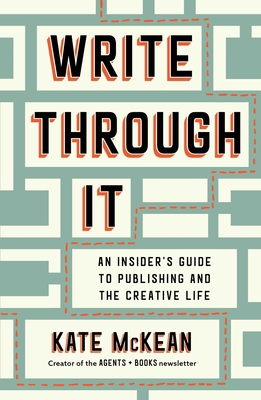
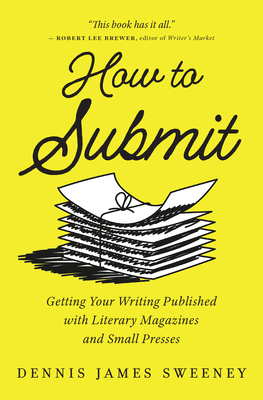
You May Also Be Interested In These Reads
 |  |  |  |
You can find more recommended reading on our Library page.
Disclosure: Each book recommendation contains affiliate links, but these are all books I highly recommend. I won’t include anything that I haven’t verified and personally found valuable.
Guest Blogger Bio
This guest post was written by Aslam Hussain.
Interested in writing a GUEST POST? Learn more about submitting to us: https://bewrit.com/write-for-us/.