A Beginner’s Guide to Book Printing for First-Time Authors
Publishing your first book is a major achievement. After spending weeks, months, or even years writing your manuscript, the next step is turning it into a professionally printed book that readers will enjoy. However, many first-time authors discover that book printing involves much more than simply uploading a document and clicking “Print.”
From selecting the right paper and binding to understanding printing methods and file requirements, every decision contributes to the quality of your final product. Learning the fundamentals before placing an order helps you avoid expensive mistakes while ensuring your book reflects the effort you’ve invested in writing it.
This Beginner’s Guide to Book Printing explains everything first-time authors should know before printing their book. Whether you’re publishing a novel, business book, children’s story, or educational guide, these insights will help you make confident decisions and choose a professional book printing service that delivers exceptional results.
Why Understanding Book Printing Matters
Writing a compelling manuscript is only one part of the publishing journey. Printing is what transforms your digital file into a physical product that readers can hold, share, and recommend.
A professionally printed book immediately creates a positive impression. Crisp text, durable binding, premium paper, and an attractive cover all contribute to the reader’s experience.
Poor printing, on the other hand, can reduce credibility, affect sales, and leave readers with a negative perception of your work.
Investing time in understanding the printing process ensures your finished book meets professional publishing standards while representing your brand as an author.
Choose the Right Book Format
Before requesting a quote, think about how your readers will use your book. The format should complement your content and provide a comfortable reading experience.
For example, novels and memoirs typically use smaller trim sizes because they are easier to hold and read. Business books often use slightly larger dimensions to accommodate charts and graphics. Children’s books usually feature larger pages with colorful illustrations, while planners and journals benefit from layouts that provide plenty of writing space.
Selecting the appropriate size early in the process also helps estimate printing costs more accurately and ensures consistency throughout the design stage.
Paperback or Hardcover: Which Option Is Best?
One of the first decisions every author faces is choosing between paperback and hardcover printing. Both options offer distinct advantages, and the right choice depends on your goals, budget, and target audience.
Paperback books remain the most popular option for independent authors because they are affordable, lightweight, and economical to produce. They work particularly well for novels, educational books, self-help titles, and general nonfiction.
Hardcover books provide a more premium appearance and greater durability. They are commonly used for photography books, collector’s editions, coffee table books, children’s books, and special releases where presentation is a priority.
If your budget allows, some authors choose to print both versions, offering readers an affordable paperback alongside a premium hardcover edition.
Understanding Paper Quality
Paper selection influences how readers experience your book. Beyond appearance, paper affects durability, readability, and the overall feel of the finished product.
Uncoated paper is widely used for novels and educational books because it reduces glare and makes extended reading more comfortable. It also provides an excellent writing surface for journals and workbooks.
Coated paper, available in matte or gloss finishes, is better suited for books containing photographs, illustrations, or vibrant graphics. It enhances color reproduction and creates a polished appearance, making it an excellent choice for cookbooks, children’s books, and art publications.
Your printing company can recommend the most suitable paper based on your book’s purpose and budget.
Selecting the Right Binding
Binding plays an important role in both durability and presentation.
Perfect binding is the industry standard for paperback books. It creates a clean, professional spine and is suitable for most novels, business books, and manuals.
Case binding is used for hardcover books. Although it costs more, it offers superior durability and gives books a premium finish that appeals to collectors and gift buyers.
Spiral and wire binding are commonly used for planners, notebooks, training manuals, and workbooks because they allow pages to lie flat during use.
Choosing the right binding method ensures your book not only looks professional but also withstands regular handling.
Prepare Your Manuscript for Printing
Many printing delays occur because files aren’t properly prepared. Before submitting your manuscript, make sure it has been formatted according to your printer’s specifications.
Your print-ready files should include:
- A high-resolution PDF
- Embedded fonts
- Proper bleed settings
- Consistent margins
- Images with a minimum resolution of 300 DPI
- Correct page numbering
- CMYK color mode for color pages
Review your document carefully before submission. Even minor formatting errors can become noticeable once the book is printed.
Design a Cover That Attracts Readers
People often make purchasing decisions within seconds of seeing a book cover. An attractive design communicates professionalism and encourages potential readers to learn more.
A successful cover combines strong typography, balanced layout, high-quality imagery, and colors that reflect your book’s genre. Equally important is the back cover, which should include a compelling book description, author information, and barcode placement if required.
Professional cover design can significantly improve your book’s credibility and sales potential.
Understand Book Printing Costs
Printing costs vary depending on several production factors. These include the number of pages, paper quality, trim size, cover finish, binding method, quantity ordered, and whether the interior uses color or black-and-white printing.
Authors planning large print runs often benefit from lower per-unit costs through offset printing. Those printing smaller quantities may find digital or print-on-demand services more economical.
Rather than choosing the lowest quote, compare pricing alongside print quality, turnaround time, customer support, and available finishing options. The cheapest option isn’t always the best long-term investment.
Offset Printing vs. Print-on-Demand
Both printing methods have advantages, and selecting the right one depends on your publishing strategy.
Offset printing is ideal when you need hundreds or thousands of copies. It delivers excellent color consistency, premium print quality, and lower costs per book for large orders.
Print-on-demand (POD) is better suited for authors who want to print books as orders are received. It minimizes inventory costs and reduces financial risk, making it a practical choice for independent authors and new publishers.
If you’re launching your first book and want to test market demand, print-on-demand is often the safest option. Once sales increase, transitioning to offset printing can reduce production costs.
Choosing a Reliable Book Printing Company
Selecting the right printing partner is just as important as writing a great book.
Look for a company with experience printing books similar to yours. Review samples of previous work, compare paper and binding options, ask about production timelines, and read customer testimonials. A reputable printer should also provide guidance on file preparation, proofs, finishing options, and shipping.
Working with experienced professionals minimizes errors and helps ensure your finished book meets industry standards.
If possible, request a printed proof before approving the final production run. This allows you to check the layout, colors, margins, and binding quality before investing in a full order.
Common Mistakes First-Time Authors Should Avoid
Many publishing mistakes can be prevented with proper planning. Before sending your book for production, make sure you avoid these common issues:
- Skipping professional proofreading
- Using low-resolution images
- Ignoring bleed and margin requirements
- Choosing paper based only on price
- Printing without reviewing a physical proof
- Selecting the wrong binding for your book’s purpose
- Rushing the printing process without comparing multiple providers
Taking time to review every detail can save money while ensuring your readers receive a high-quality product.
Final Thoughts
Printing your first book may seem complicated, but understanding the process makes every decision easier. From choosing the right format and binding to preparing print-ready files and selecting quality materials, each step contributes to creating a book you can proudly share with readers.
Partnering with a trusted book printing company ensures your manuscript receives the professional attention it deserves. Whether you need a short-run order, print-on-demand solution, or large-scale production, working with experienced printers can simplify the publishing process and help you achieve outstanding results.
Your first book represents your hard work, creativity, and expertise. Investing in professional book printing ensures it leaves a lasting impression from the moment readers pick it up.
Frequently Asked Questions
What’s the best book printing option for first-time authors?
Most first-time authors choose paperback printing because it’s affordable, lightweight, and suitable for a wide range of book genres. Authors looking for a premium edition may also consider hardcover printing.
How much does it cost to print a book?
Book printing costs depend on page count, trim size, paper quality, binding type, print quantity, and finishing options. Requesting a personalized quote provides the most accurate estimate.
Should I choose print-on-demand or offset printing?
Print-on-demand works well for small quantities and independent authors, while offset printing is more cost-effective for larger print runs.
What file format is required for professional book printing?
Most printing companies require a high-resolution PDF with embedded fonts, proper bleed settings, and images at 300 DPI.
How can I improve the quality of my printed book?
Choose quality paper, use professional cover design, proofread carefully, prepare print-ready files correctly, and always review a printed proof before approving the final production.
A Final Word From Brit: If you’re working on your first book, I can help. Grab tips from our free Resource Library or explore my editing and coaching services to learn more about how I help make your story shine.
You May Also Be Interested In These Reads
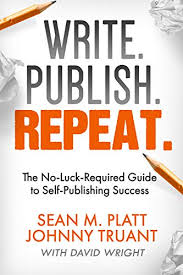 | 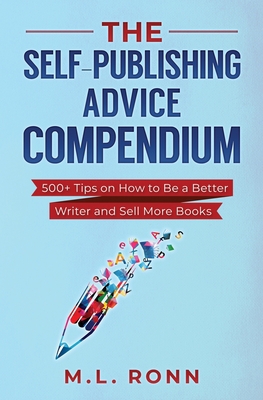 | 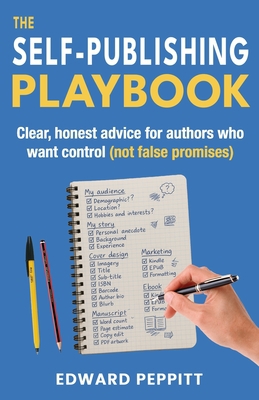 | 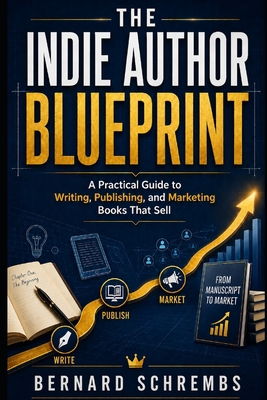 |
You can find more recommended reading on our Library page.
Disclosure: Each book recommendation contains affiliate links, but these are all books I highly recommend. I won’t include anything that I haven’t verified and personally found valuable.
Guest Blogger Bio
Haseeb Abro is a content writer and SEO professional with a focus on the printing and publishing industry. He creates educational resources that help authors and businesses better understand book production and print solutions. Check out his book printing services at Book Printing UAE.
Interested in writing a GUEST POST? Learn more about submitting to us: https://bewrit.com/write-for-us/.